


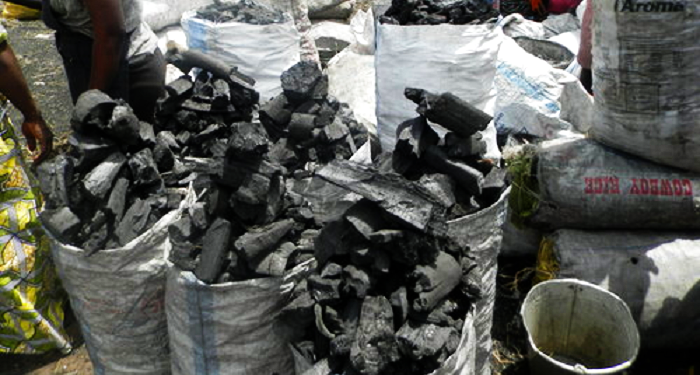
Charcoal has become the single biggest driver of inflation in Ghana after prices increased by 50.1% over the past year, according to Government Statistician Dr Alhassan Iddrisu. The revelation came during an appearance on JoyNews’ PM Express Business Edition on Thursday, where he also warned that rising food prices are creating fresh pressure for households despite the country’s improving overall inflation outlook.
Dr Iddrisu described Ghana’s recent inflation performance as a significant achievement but stressed that many families are still experiencing the reality of rising living costs through everyday essentials such as cooking fuel and food.
“By all standards, this is a remarkable turnaround, and every Ghanaian should know this,” he said.
Food inflation shows fresh signs of pressure
While headline inflation has improved, the Government Statistician pointed to concerning developments in the food sector.
According to him, food inflation rose to 3.3% year on year in May 2026 from 2.2% in April, signalling renewed pressure on household spending.
He noted that food prices recorded one of their sharpest monthly increases in recent times.
“In fact, in just one month, that’s between April and May 2026, we saw food prices actually jumped 2% and that’s one of the fastest we have seen in a single month in terms of price movements,” he explained.
For many Ghanaian households, food accounts for a substantial share of monthly expenditure, making even modest increases highly noticeable.
Tomatoes record sharp price increases
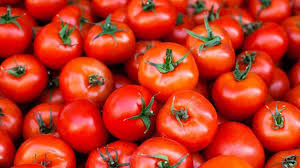
Dr Iddrisu singled out tomatoes as one of the products contributing significantly to the recent rise in food inflation.
He disclosed that tomato prices rose by 35.8% between May 2025 and May 2026. Even more striking was the monthly movement, with prices increasing by 38.8% between April and May 2026 alone.
He attributed the surge to supply disruptions linked to developments in Burkina Faso.
“Earlier this year, Ghanaian traders were attacked in Burkina Faso, and an export ban followed that disrupted tomato supply into our market, and even after the ban was reversed on April 2, the damage was already done, and prices already spiked,” he said.
The comments underline how regional supply chain disruptions can quickly translate into higher prices in Ghanaian markets.
Charcoal emerges as the biggest inflation driver
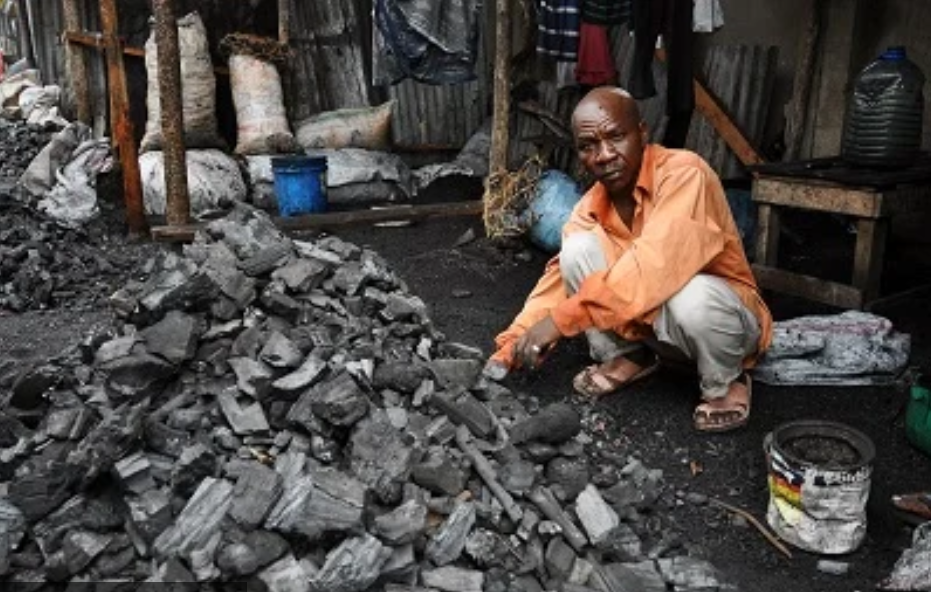
The most significant concern highlighted by the Government Statistician was the dramatic increase in charcoal prices.
According to Dr Iddrisu, charcoal prices climbed by 50.1% between May 2025 and May 2026, making it the single largest contributor to Ghana’s national inflation figure.
He revealed that charcoal alone accounted for approximately 13.1% of the country’s total inflation in May.
“And as we know, many Ghanaian homes still cook with charcoal, and when that cost goes up, everyone feels it,” he added.
The figures underscore the continued dependence of many households on charcoal for cooking and explain why rising prices have an outsized impact on the daily cost of living.
A reminder that headline figures do not tell the whole story
Although Ghana’s broader inflation indicators have shown encouraging improvements, the latest data suggests many families continue to face financial pressure from the rising cost of essential goods.
The sharp increases in charcoal and tomato prices illustrate how improvements in national economic indicators do not always immediately translate into relief at the household level, particularly for low and middle-income families already managing tight budgets.
Follow our WhatsApp channel for more interesting and relevant news