


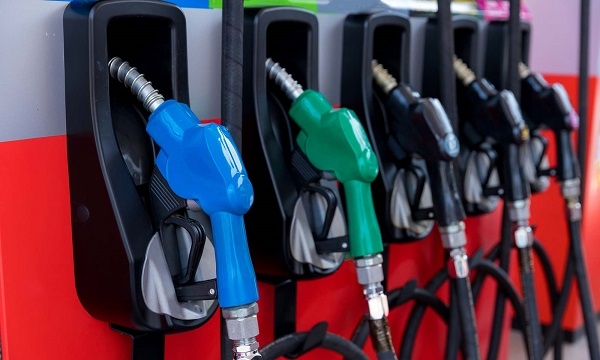
There is a slight sigh of relief for motorists and households as the first pricing window of May opens with marginal reductions in fuel prices across parts of the country.
Some Oil Marketing Companies have begun adjusting their ex-pump prices downward, signalling a modest easing in pressure within Ghana’s downstream petroleum market after weeks of elevated costs.
State-owned GOIL is now selling petrol at GH¢13.25 per litre, shaving off 2 pesewas from the GH¢13.27 recorded in the second pricing window of April. Diesel has seen a more noticeable drop, falling by 44 pesewas to GH¢15.66 per litre from GH¢16.10.
However, GOIL’s premium product, Super XP 95, remains unchanged at GH¢15.77 per litre.
Private player Star Oil has also revised its prices in a similar direction. Petrol is now selling at GH¢13.25 per litre, matching GOIL’s rate after a 2 pesewas cut. Diesel, on the other hand, has dropped more sharply by 55 pesewas to GH¢15.55 per litre. Its RON 95 product remains steady at GH¢14.67 per litre.
The adjustments are largely in line with earlier projections that suggested a modest reduction in fuel prices for the May pricing window. Analysts attribute the dip to softer global oil benchmarks, coupled with the continued effects of a joint government and industry intervention aimed at cushioning consumers from sustained volatility.
More Oil Marketing Companies are expected to follow suit in the coming days, as international oil price movements and exchange rate dynamics continue to shape local pricing decisions.
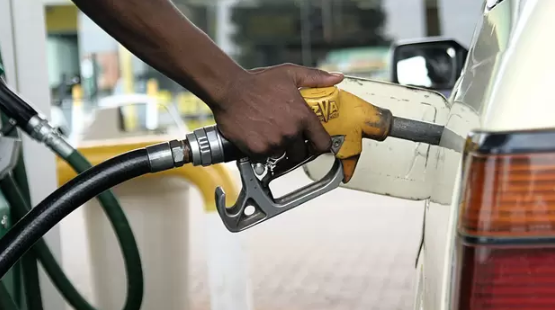
Meanwhile, the National Petroleum Authority has also revised its price floors for the period. Petrol is expected to sell at a minimum of GH¢13.25 per litre, down slightly from GH¢13.27, while diesel has seen a significant drop in its floor price to GH¢14.30 per litre from GH¢16.10.
In contrast, liquefied petroleum gas has taken a different turn. The price floor for LPG has surged to GH¢13.02 per kilogram, up from GH¢10.79, representing a sharp increase of GH¢2.23.
The Authority insists that all Oil Marketing Companies and LPG Marketing Companies must comply with the stipulated price floors under its Petroleum Products Pricing Guidelines.
It further clarified that the announced price floors do not include premiums charged by international oil trading firms, as well as operational margins across the bulk import, distribution and retail chain. These elements remain variable and are determined independently by industry players within the regulatory framework.
For now, while the reductions may not dramatically ease the burden on consumers, they offer a welcome, if modest, break after a period of persistent fuel price hikes.