

When you hear “youngest billionaires”, you might expect tech bros in hoodies flipping apps overnight. But in Africa, the story is very different. Here, billion-dollar fortunes are being built the old-school way, through cement, oil, telecoms, mining and large-scale industry.
According to Forbes Africa’s 2026 rankings, these are the youngest billionaires on the continent, and the sectors powering their wealth might surprise you.The
The youngest richest men in Africa
1. Mohammed Dewji (50) – $2.1 billion

If there’s anyone redefining “young billionaire” in Africa, it’s Dewji. At just 50, he’s the youngest on this list and Tanzania’s only billionaire.
He runs METL, a business empire his father started in the 1970s, but he didn’t just inherit it; he expanded it across textiles, flour, beverages and edible oils in multiple countries.
And here’s the twist: he has pledged to give away at least half his wealth. Big money, big responsibility.
2. Femi Otedola (63) – $1.3 billion

Otedola is proof that reinvention pays. He made his early money in commodities trading, then pivoted into energy.
Today, he’s linked to Geregu Power and has investments in banking and luxury real estate across major global cities. Quiet moves, serious money.
3. Patrice Motsepe (64) – $4.3 billion
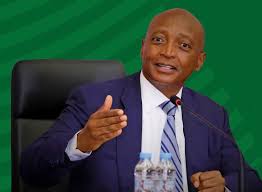
Mining made him rich, but diversification made him powerful. Motsepe founded African Rainbow Minerals and didn’t stop there.
From private equity to football, yes, he owns Mamelodi Sundowns, his influence cuts across business and sport.
4. Yasseen Mansour (64) – $1.4 billion
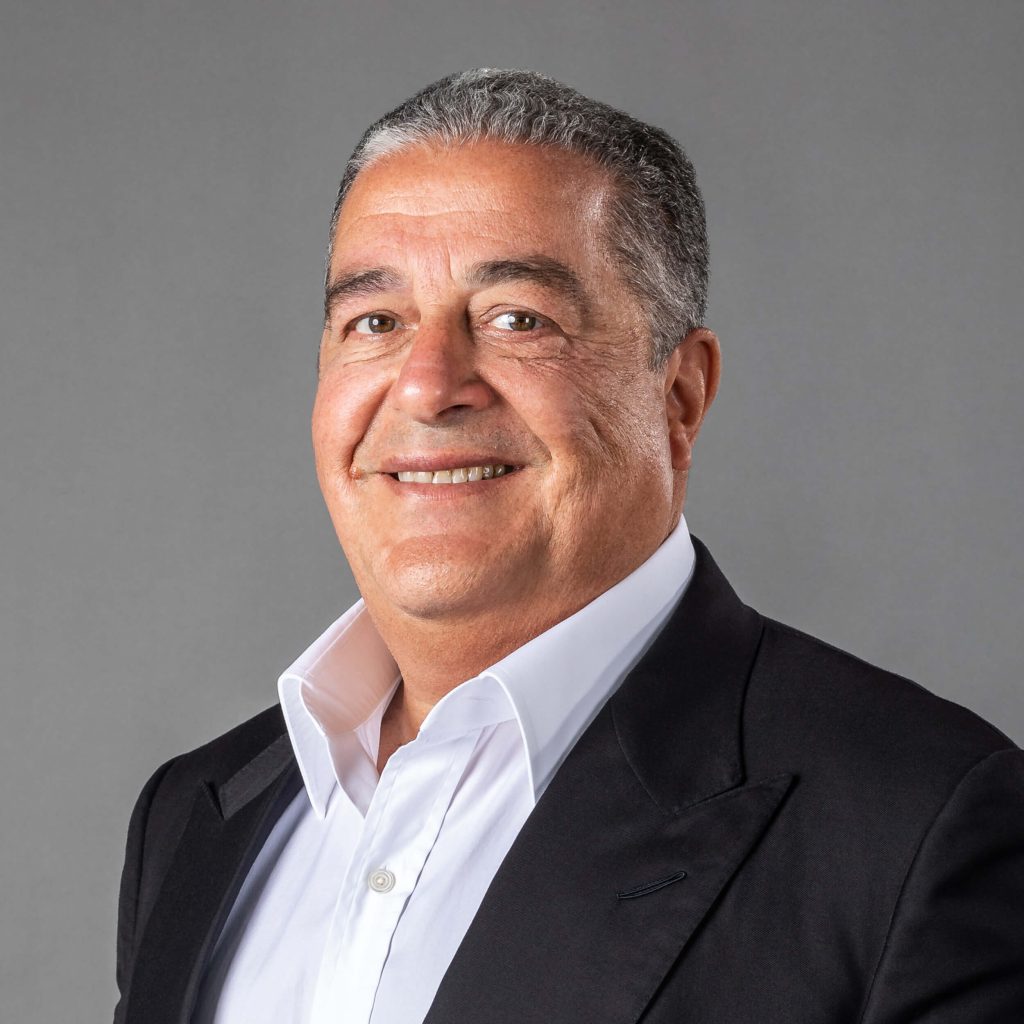
Part of one of Egypt’s most powerful business families, Mansour is deeply rooted in industry.
Through the Mansour Group and Palm Hills Developments, he plays in automotive distribution, heavy equipment and real estate. Think scale, not noise.
5. Abdulsamad Rabiu (65) – $11.2 billion

Now we’re talking serious numbers. Rabiu is one of Africa’s richest men, thanks to BUA Group.
Cement, sugar, food production, industries that literally build economies. His wealth isn’t flashy, it’s foundational.
6. Nassef Sawiris (65) – $9.6 billion
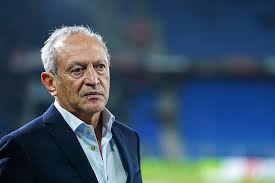
Sawiris blends old money with global strategy. He leads OCI, a fertiliser giant, and has investments in construction and international brands like Adidas.
Oh, and he co-owns Aston Villa. Business and football? That’s range.
7. Strive Masiyiwa (65) – $2.1 billion

Masiyiwa built Econet Wireless into one of Africa’s biggest telecoms and fintech groups.
But he’s not just about profit. He sits on global boards, including Netflix, and is known for his philanthropic work across the continent.
8. Aziz Akhannouch (65) – $1.6 billion
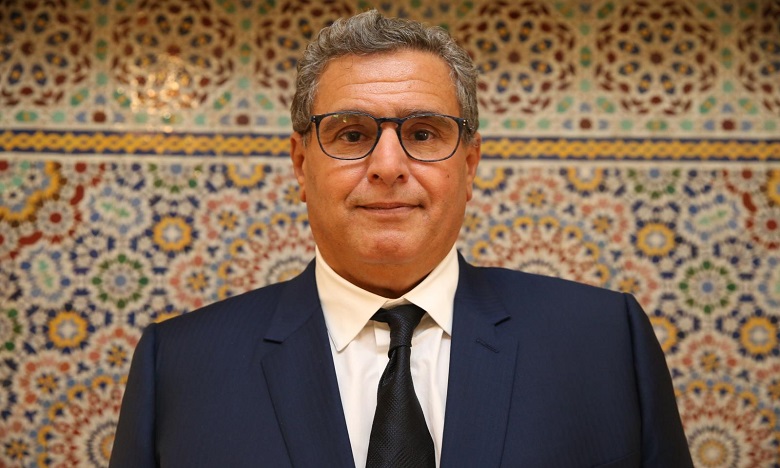
Business by day, politics by… also day. Akhannouch controls Akwa Group, a major player in petroleum and chemicals.
At the same time, he serves as Morocco’s Prime Minister. Not many people balance boardrooms and national leadership like this.
9. Anas Sefrioui (68) – $1.3 billion
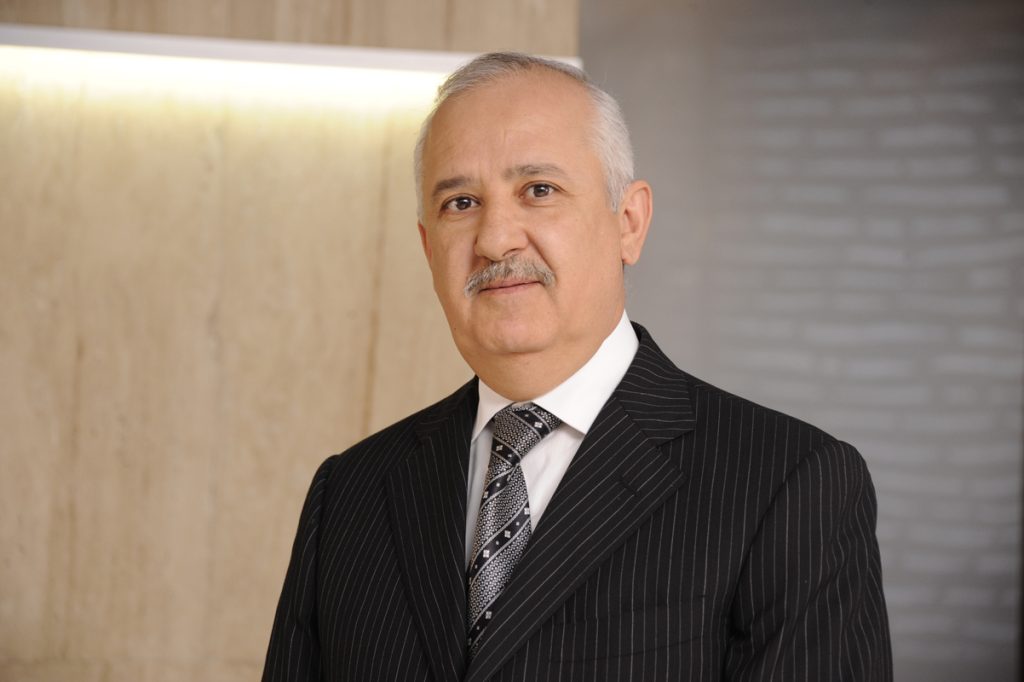
Real estate is his game, and he’s playing it at scale. Sefrioui founded Groupe Addoha, focusing on affordable housing.
In a rapidly urbanising continent, that’s not just business, it’s impact.
10. Aliko Dangote (69) – $28.5 billion

No surprises here. Dangote remains Africa’s richest man by a mile.
From cement to sugar, fertiliser to oil refining, his empire touches nearly every critical sector. If Africa is building, chances are Dangote is involved.
So, what’s the bigger picture?
Unlike Silicon Valley billionaires, Africa’s richest are not built on apps and algorithms. Their wealth is tied to real, tangible industries, cement, energy, telecoms, mining and infrastructure.
And that matters.
These are the sectors that create jobs, drive industrialisation and shape long-term economic growth. Many of these billionaires have also expanded family businesses into cross-border giants, proving that legacy, when managed well, can scale.
In short, Africa’s youngest billionaires aren’t just making money. They’re helping build the backbone of the continent’s future.