



For many Ghanaians, the idea of the stock market still feels like something meant for bankers in high-rise offices or investors with deep pockets. But the Ghana Stock Exchange is no longer as distant as it once seemed. With as little as a few hundred cedis, ordinary people are beginning to explore it as a way to build long-term wealth.
So how exactly do you get started without losing your way or your money? Here is a simple, practical guide.
Step 1: Understand what you are getting into
The Ghana Stock Exchange is where companies such as MTN Ghana, GCB Bank and SIC Insurance sell ownership stakes, called shares, to the public.
When you buy a share, you become part-owner of that company. You make money in two main ways:
- When the share price increases and you sell it at a profit
- When the company pays you dividends, which is a share of its profits
It sounds simple, but the key is knowing that prices can go up and down.
Step 2: Decide why you want to invest
Before anything else, be clear about your goal. Are you trying to:
- Build long-term wealth
- Earn dividend income over time
- Or grow money for a specific future plan
Most beginners in Ghana do better with long-term investing rather than quick trading, because the market rewards patience.
Step 3: Open a brokerage account
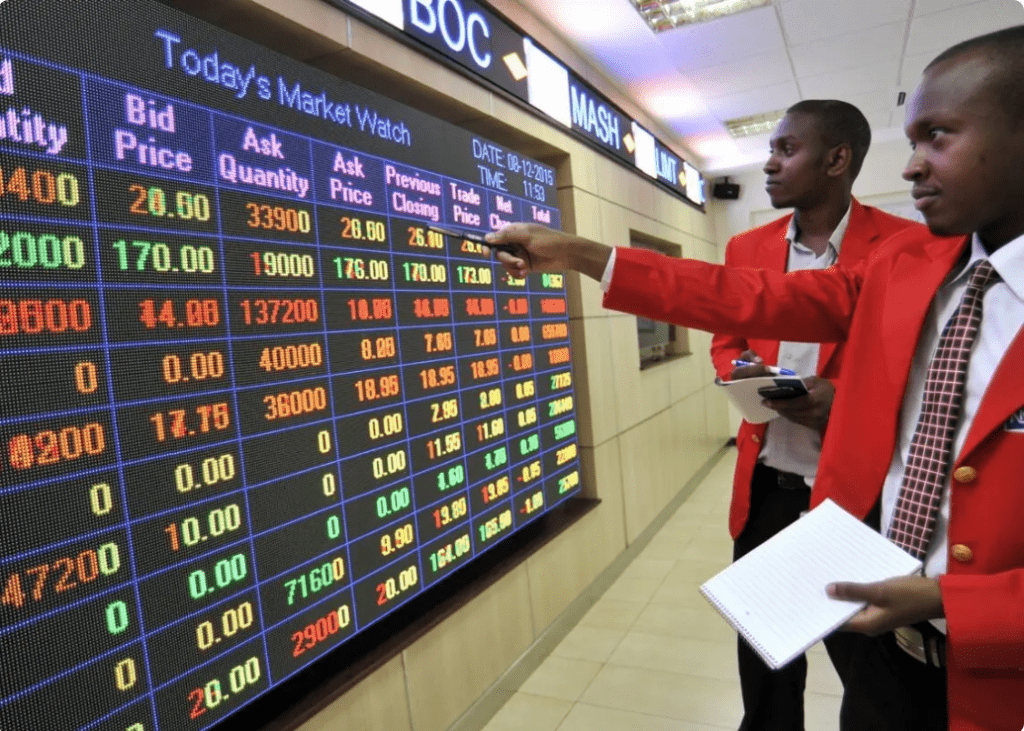
You cannot buy shares on your own directly from the Ghana Stock Exchange. You need a licensed broker.
Some of the well-known brokers include Databank Brokerage Services, SIC Financial Services, EDC Stockbrokers and CDH Securities.
To open an account, you will typically need:
- Ghana Card
- Proof of address
- Bank account details
- Passport-sized photo
Once approved, your broker becomes your gateway to the stock market.
Step 4: Deposit money into your account
After opening your account, you transfer money from your bank into your brokerage account. You do not need a large amount to start. Some people begin with GH¢100 or GH¢500 depending on the broker’s requirements.
The important thing is not the size of your first investment, but consistency over time.
Step 5: Research before you buy anything
This is where many beginners make mistakes.
Do not buy shares because someone on social media said so. Instead, look at:
- How profitable the company is
- Whether it pays dividends
- Its debt levels
- Its performance history
For example, companies like MTN Ghana, GCB Bank, TotalEnergies Ghana and SIC Insurance are often discussed because they have strong market presence and visible earnings trends.
Step 6: Place your first trade
Once you have chosen a company, you tell your broker what you want to buy.
For example, you might say: “Buy 50 shares of MTN Ghana at market price.”
Your broker then executes the transaction on the Ghana Stock Exchange on your behalf.
Step 7: Monitor your investment

After buying shares, your work is not finished. You need to track:
- Share price movements
- Company announcements
- Dividend updates
Most brokers now provide mobile apps or online dashboards that make tracking easier.
Step 8: Reinvest your dividends
When companies make profit, they sometimes pay dividends. You can withdraw this money, or you can reinvest it by buying more shares.
Reinvesting is one of the simplest ways to grow wealth over time, because your money begins to compound.
Step 9: Do not put all your money in one company
A smart investor spreads risk.
A simple beginner mix could include:
- Telecom stocks such as MTN Ghana
- Banking stocks like GCB Bank or CAL Bank
- Energy or consumer goods like TotalEnergies Ghana
- A small portion in higher-risk stocks like SIC Insurance or Ecobank Transnational
Diversification helps protect you when one sector underperforms.
Step 10: Think long term, not quick profit
Perhaps the most important lesson is patience.
The Ghana Stock Exchange is not a lottery. Some days prices rise, other days they fall. But over time, strong companies tend to grow in value.
Those who stay patient, reinvest dividends and avoid emotional decisions usually benefit the most.
The bottom line
Starting on the Ghana Stock Exchange is no longer complicated or reserved for the wealthy. With the right information, a basic brokerage account and a long-term mindset, anyone can begin building wealth through shares.
The real challenge is not entry. It is discipline.