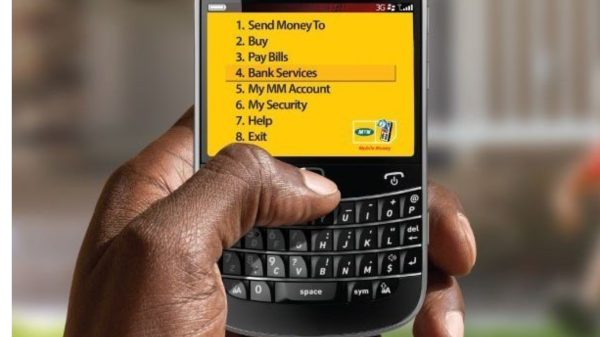

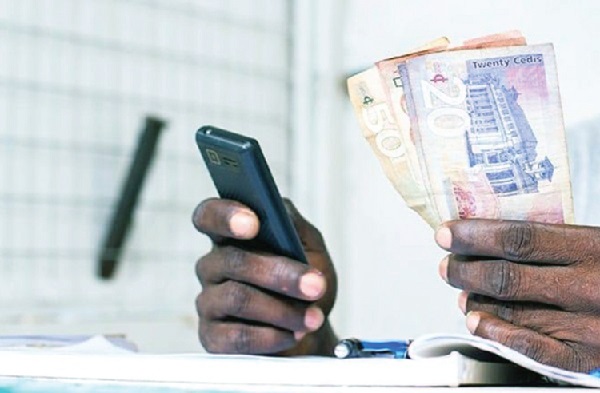
MTN Mobile Money users in Ghana will begin paying a new 0.75% charge on transfers from their MoMo wallets to bank accounts starting Monday, June 1, 2026.
The announcement was made by MobileMoney Fintech Limited (MMFL), a subsidiary of MTN Ghana, in a statement issued to customers on Monday, May 25. According to the company, the fee will be capped at GHS 5 per transaction and is intended to support improved service delivery for users.
“From 1 June 2026, transfers from your MoMo Wallet to bank accounts will attract a fee of 0.75% per transaction, capped at GHS 5. This will help us continue to serve you better. Thank you for choosing MoMo,” the statement said.
The new charge is expected to affect millions of Ghanaians who regularly move money between mobile wallets and traditional bank accounts for business, savings, bill payments and daily transactions.
Mobile money use in Ghana continues to grow rapidly
The latest development comes at a time when mobile money usage in Ghana is expanding at an extraordinary pace.
New figures released by the Bank of Ghana show that mobile money transaction value surged to GH¢493.2 billion in April 2026, up from GH¢365.0 billion recorded during the same period in 2025.
That represents a year-on-year growth of approximately 35.1 per cent.
Transaction volumes also increased significantly, climbing from 778 million to 967 million within the one-year period, according to the central bank’s May 2026 Summary of Economic and Financial Data.
The figures further reinforce mobile money’s dominance as Ghana’s leading payment platform, ahead of traditional banking channels and several other digital payment systems.
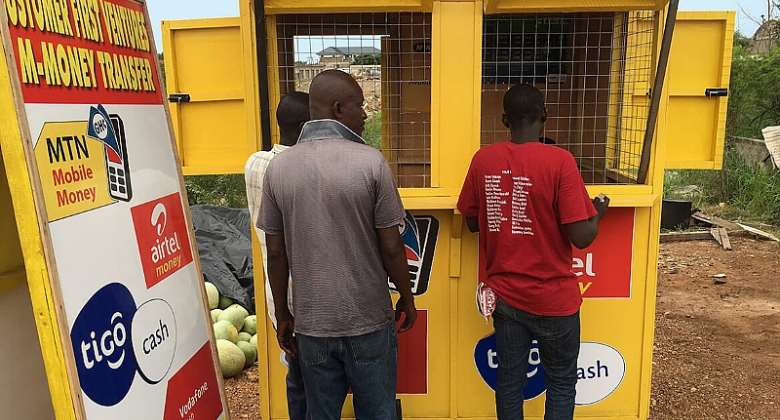
More Ghanaians now rely on mobile money daily
What began years ago mainly as a simple money transfer service has evolved into a major financial ecosystem used by millions of people across Ghana.
Today, mobile money supports merchant payments, utility bill settlements, transport fares, market trading, online shopping, school payments and small business transactions.
Registered mobile money accounts increased from 75.2 million in April 2025 to 83.0 million in April 2026. Active accounts also rose from 24.2 million to 26.0 million during the same period.
The increase in active users suggests that mobile money is becoming more deeply integrated into the daily financial habits of Ghanaians rather than simply existing as dormant accounts.
Despite ongoing concerns around fraud and cybercrime, consumer confidence in digital financial services appears to remain strong.
Expansion of mobile money agents improves financial access
The nationwide network supporting mobile money services also continued to expand over the past year.
Registered mobile money agents increased from 911,000 to 992,000, while active agents rose sharply from 414,000 to 534,000.
The expansion is especially significant for rural and underserved communities where access to conventional banking infrastructure remains limited.
For many residents in smaller towns and communities, mobile money agents continue to serve as the nearest and most accessible point for financial transactions and cash services.
The growth also highlights how mobile money agency businesses are becoming increasingly important within Ghana’s informal economy.
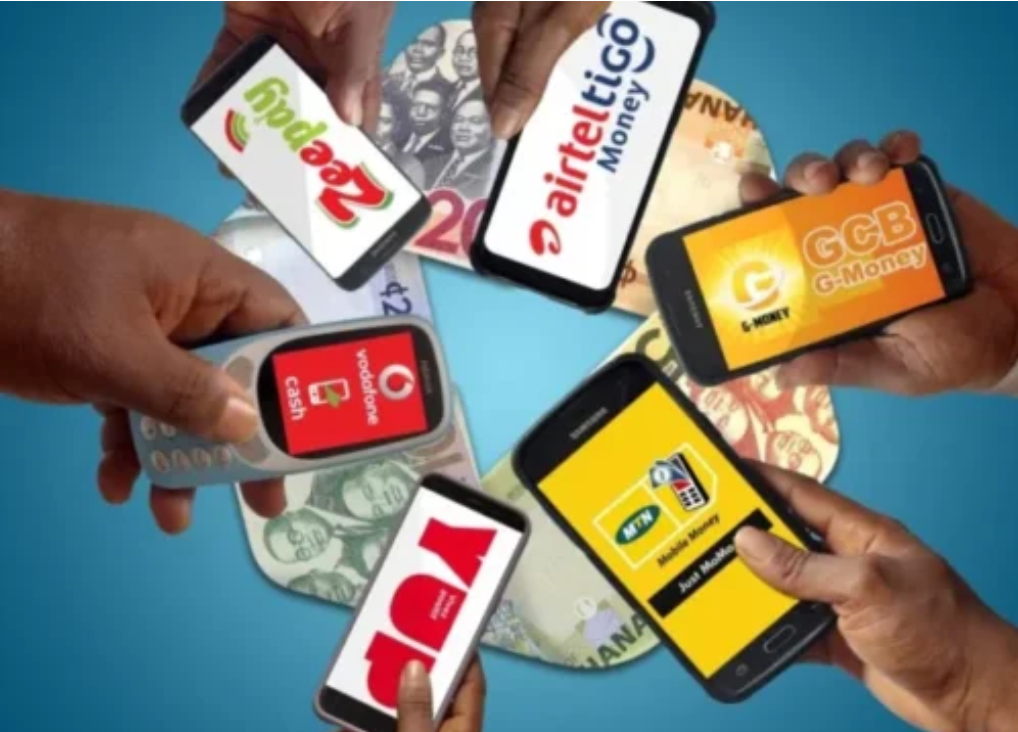
Ghanaians are keeping more money in mobile wallets
Another major trend emerging from the latest figures is the growing amount of money being stored directly in mobile wallets.
According to the Bank of Ghana data, float balances rose from GH¢28.2 billion in April 2025 to GH¢36.7 billion in April 2026.
The increase suggests that many users now treat mobile money wallets not only as transfer channels but also as practical short-term savings and money management tools.
The shift reflects broader changes in how digital finance is reshaping spending, saving and financial behaviour across Ghana.
Cross-network transfers continue to rise
Interoperability transactions, which allow users to transfer money across different telecom networks and financial platforms, also recorded strong growth.
The value of interoperability transactions rose from GH¢4.0 billion to GH¢5.8 billion, while transaction volumes increased from 23.1 million to 31.7 million.
Industry analysts have long argued that interoperability is essential to Ghana’s transition towards a more cash-lite economy because it improves convenience and reduces barriers between payment platforms.
Mobile money still dominates Ghana’s payment ecosystem
Even with the growth of internet banking and other digital payment systems, mobile money continues to dominate Ghana’s financial landscape by a considerable margin.
Cheque transactions recorded a value of GH¢36.6 billion in April 2026, representing less than eight per cent of mobile money’s total transaction value during the same month.
GhIPSS Instant Pay processed GH¢79.0 billion, while internet banking transactions reached GH¢42.0 billion. Both platforms, however, remained significantly behind mobile money in overall usage.
The latest figures underscore how mobile money has evolved from an alternative payment method into the primary financial gateway for millions of Ghanaians.