


For many Ghanaians living abroad, owning property back home is more than an investment. It is pride, security and a reminder that all the hustle is paying off. A house in Accra, a plot in Kumasi, or land in your hometown. It sounds simple until things start going sideways.
Too many diaspora stories end the same way. Money sent, trust given, and months later… confusion, excuses or silence. The painful part is that most of these situations are avoidable with the right approach.
If you’re planning to build or buy from abroad, here are 10 practical, real-world ways to protect yourself and your money:
1. Treat Land Verification Like a Non-Negotiable First Step
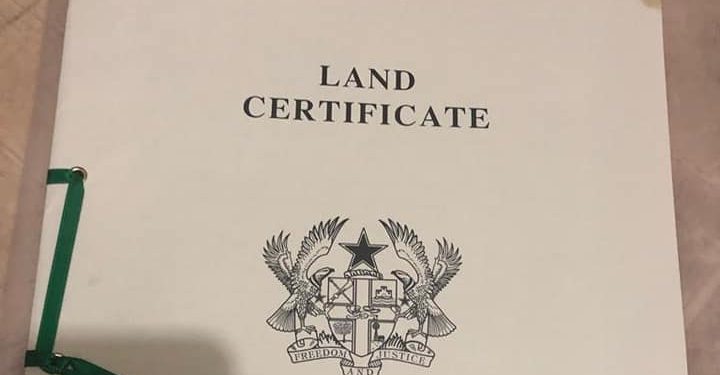
Before any excitement, before any payment, verify the land properly.
Go through the Lands Commission of Ghana and confirm:
- The actual owner of the land
- Whether it is under dispute or litigation
- Whether the size and boundaries match what you’ve been shown
In Ghana, one plot can mysteriously have multiple “owners.” If you skip this step, you’re basically gambling.
For extra safety, bring in an independent surveyor to confirm the land matches official records, not just what someone points at on site.
2. Hire a Qualified Lawyer and Keep Them Close
This is where many people try to cut corners, and it often backfires.
A proper property lawyer does more than just “look at documents.” They:
- Draft legally binding agreements
- Check for hidden risks in the paperwork
- Ensure your documents can stand up in court
Relying on a relative or a “connected guy” is risky. When things go wrong, those same people may not be able to defend you legally.
3. Never Send Money Without a Clear Paper Trail

One of the easiest ways to lose money is through informal payments.
It usually starts casually:
“Just send something small, we’ve started clearing the land.”
Before you know it, you’ve sent thousands with little to show for it.
Protect yourself by:
- Using bank transfers instead of cash
- Requesting receipts for every transaction
- Keeping a proper record of all payments
Money you cannot trace is money you may never recover.
4. Separate Trust From Control

Let’s be honest, most people don’t get scammed by strangers first. It often starts within trusted circles.
Giving one person full control of your project, money, materials and updates is a risky move, even if they mean well.
Instead:
- Divide responsibilities where possible
- Ask for regular updates backed by evidence
- Cross-check information from different sources
You’re not being difficult. You’re being responsible.
5. Pay for Work Done, Not Work Promised
Another common mistake is paying large sums upfront based on promises.
A safer approach is to tie payments to actual progress:
- Foundation completed
- Structure raised
- Roofing done
- Finishing stage
This way, if work stalls, your losses are limited. It also keeps everyone accountable because payment depends on results.
6. Be Extremely Careful With Agents and Middlemen
The real estate space in Ghana has many genuine agents, but it also has its fair share of opportunists.
Before you deal with anyone:
- Ask for proper identification
- Confirm their office location
- Check if they are affiliated with recognised bodies like the Ghana Real Estate Developers Association
Also, be wary of pressure tactics like:
“This deal won’t wait” or “Someone else is ready to pay today.”
Legitimate deals don’t need panic to close.
7. Use Technology to Stay in Control

Distance doesn’t have to mean blindness.
Instead of relying on verbal updates:
- Request live video calls from the site
- Ask for dated photos and videos
- Use location pins to confirm the exact site
If someone keeps avoiding visual proof, that’s your cue to start asking harder questions.
8. Consider Hiring an Independent Project Manager
If your budget allows, this can save you a lot of stress.
A project manager acts as your representative on the ground and:
- Monitors construction progress
- Confirms materials are actually purchased and used
- Ensures timelines are respected
Most importantly, they report to you, not your relatives or contractors.
9. Register Your Property Immediately After Purchase
Buying land is one thing. Securing it legally is another.
Once the transaction is done:
- Register your documents with the Lands Commission Ghana
- Work towards obtaining your land title certificate
Unregistered land is vulnerable. It can be resold, disputed or claimed by someone else without your knowledge.
10. Keep Emotions in Check and Think Like an Investor
This might be the hardest one.
Many people approach property back home emotionally:
- “He’s family, he won’t cheat me”
- “My hometown people will take care of it”
Sometimes they do. Sometimes they don’t.
The safest mindset is to treat your project like a business:
- Ask questions
- Demand accountability
- Put everything in writing
Being cautious doesn’t mean you don’t trust people. It means you understand the risks.
Final Word
Building or buying property in Ghana from abroad is absolutely achievable. People are doing it successfully every day, but they are not doing it casually.
They verify. They document. They stay involved.
If you approach it with structure and discipline, your investment can become exactly what you imagined it would be, not another story of “money lost back home.”