

Before the rise of smartphones and the global dominance of the Apple iPhone, the mobile phone industry was ruled by brands that once seemed untouchable.
Some were fashion statements. Others were symbols of wealth, power, or technological innovation. From school campuses in Ghana to boardrooms in Europe and America, these phones shaped an entire generation of communication.
But as technology evolved rapidly, many of these once-mighty brands failed to keep up. Today, some have completely disappeared, while others survive only as fading names from the past.
Old mobile phone brands
1. BlackBerry
Few phone brands enjoyed the elite status once held by BlackBerry.
In the 2000s, owning a BlackBerry was considered a sign of importance. Politicians, business executives, journalists, and celebrities relied heavily on its physical keyboard and secure messaging system.
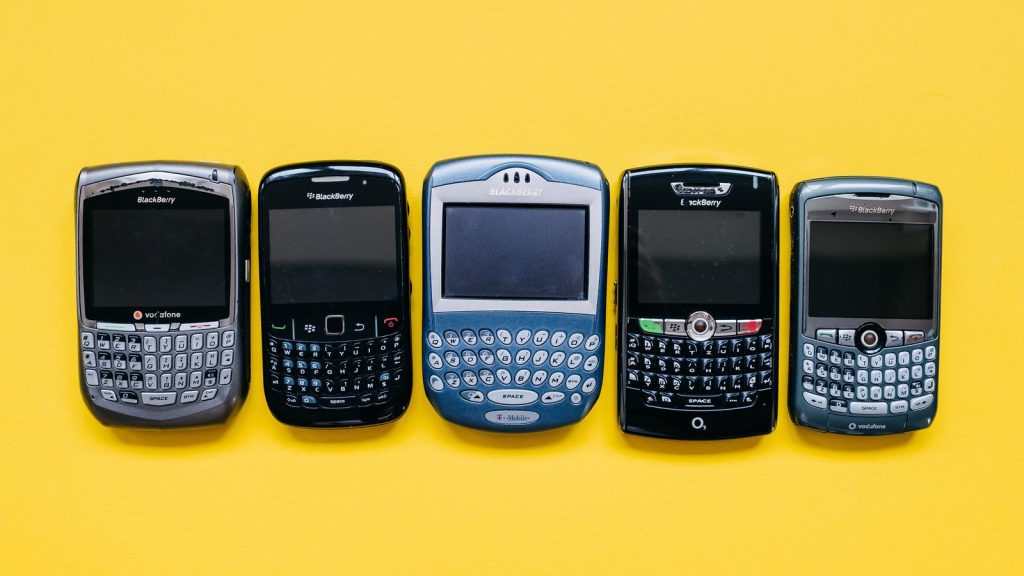
At one point, BlackBerry Messenger, popularly known as BBM, became a cultural phenomenon across Africa and beyond. However, the company struggled to adapt after touchscreen smartphones became dominant following the iPhone revolution.
READ ALSO: 10 Smart Ways Ghanaians Abroad Can Avoid Property Scams Back Home
2. Nokia
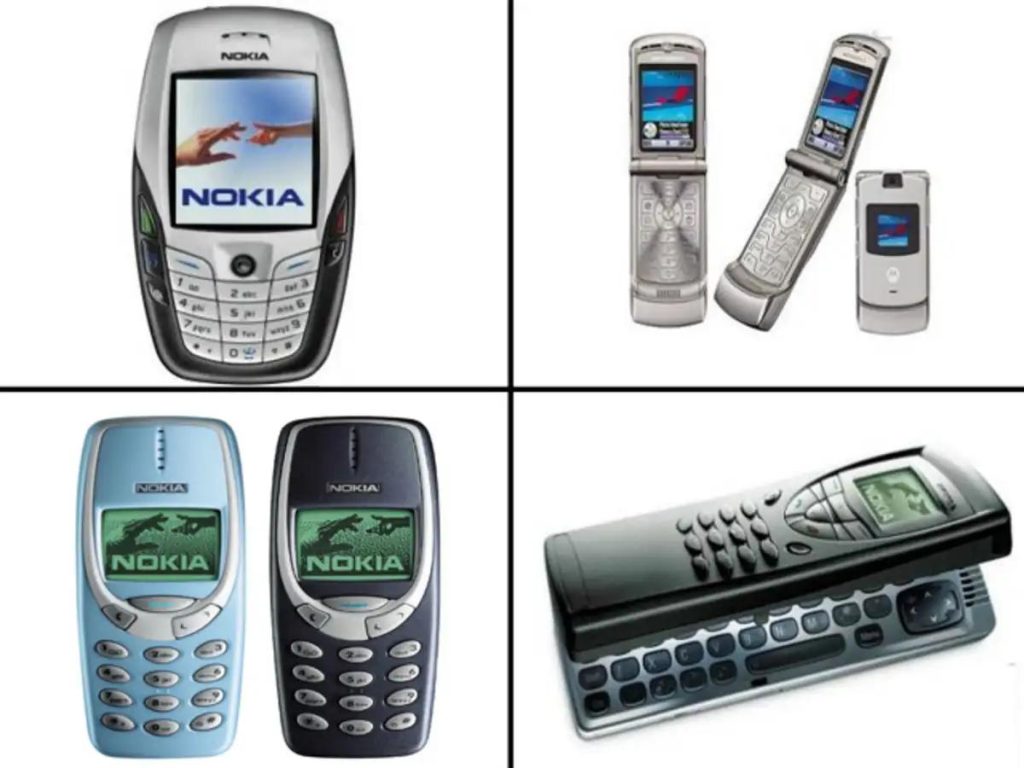
For millions of people around the world, especially in Africa, Nokia was once the undisputed king of mobile phones.
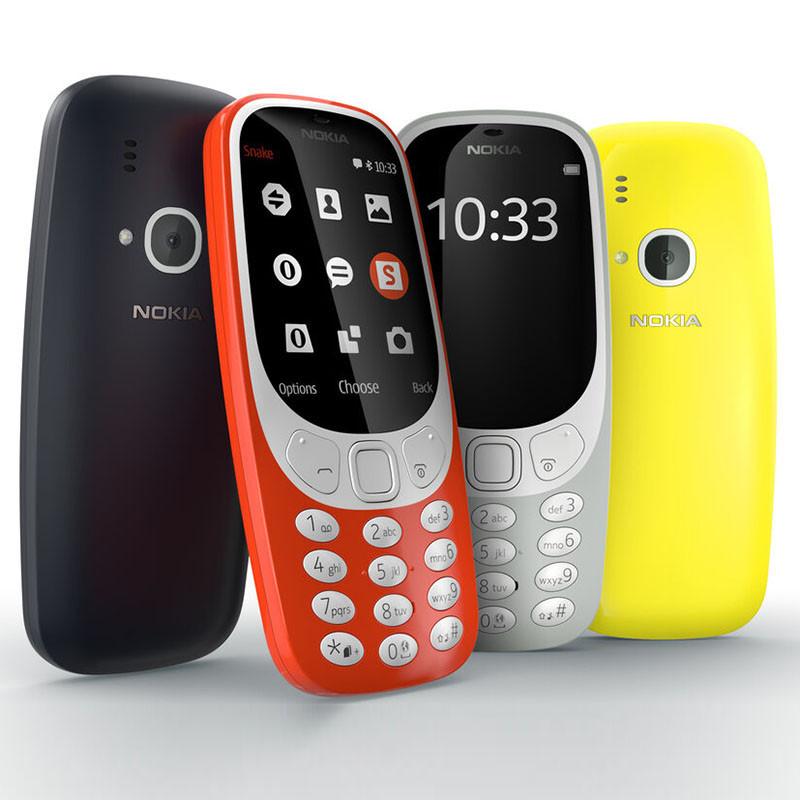
The legendary Nokia 3310 became famous for its durability and battery life, while phones like the Nokia N95 pushed the boundaries of mobile technology during their time.
In Ghana, Nokia devices dominated homes, schools, workplaces, and transport stations for years before the smartphone transition changed everything.
3. Motorola
Long before smartphones became mini-computers, Motorola created one of the most iconic phones ever made: the Razr.
Slim, stylish, and futuristic for its era, the Motorola Razr became a global fashion trend in the mid-2000s. Celebrities and young people proudly showed it off as a status accessory.
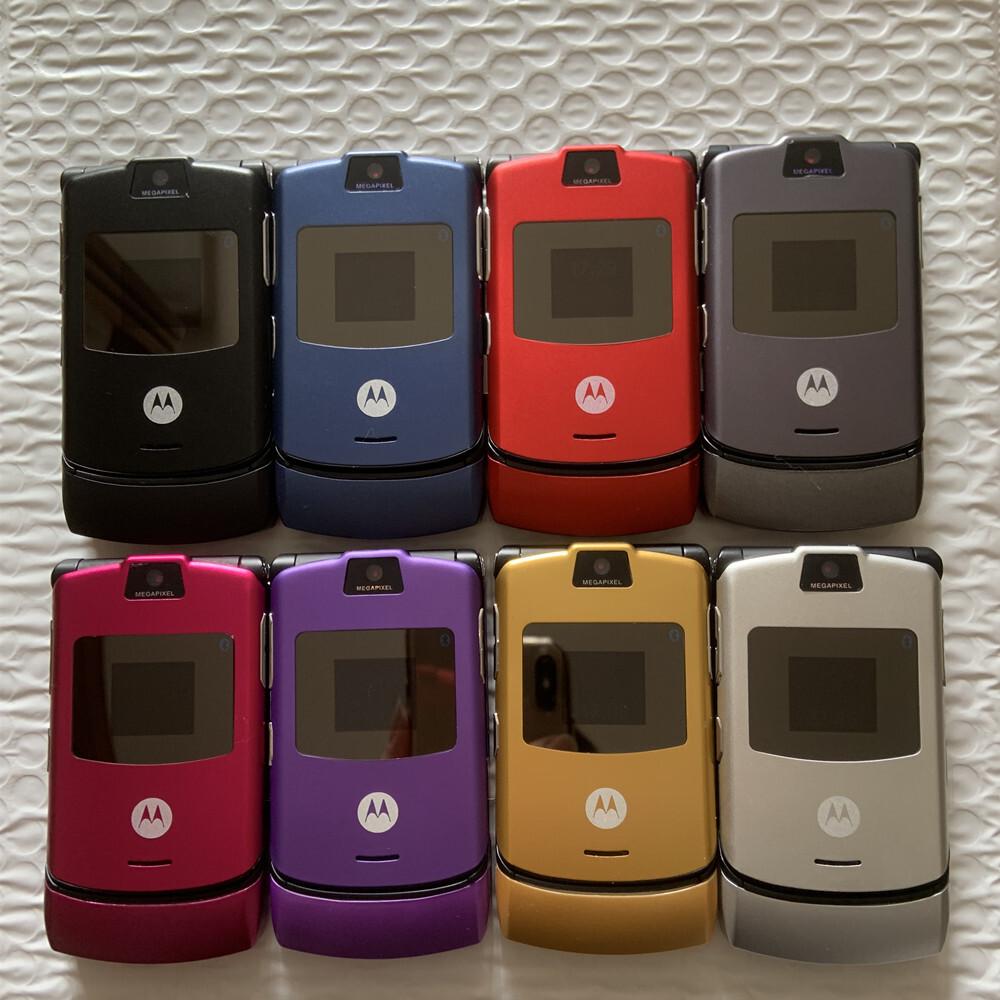
Although Motorola still exists today under Lenovo ownership, the brand no longer commands the influence it once had.
READ ALSO: 10 African countries Ghanaians can visit without spending too much money
4. HTC
There was a time when HTC was regarded as one of the most innovative Android smartphone makers in the world.
Its HTC One series received praise for premium design, sound quality, and performance. The company also played a major role in producing some of Google’s early Android devices.
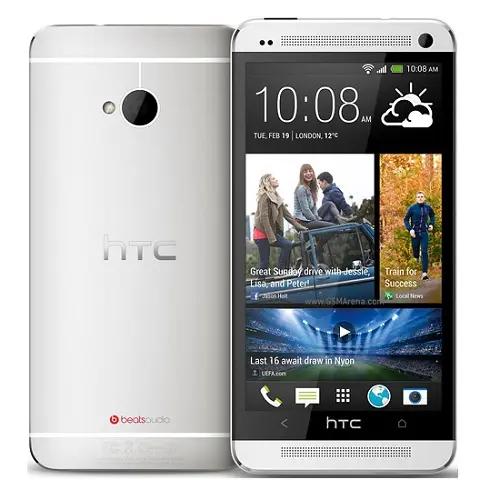
Despite strong reviews, HTC struggled against larger rivals like Samsung and Apple and gradually faded from mainstream attention.
5. Sony Ericsson
Before music streaming apps became common, Sony Ericsson phones were hugely popular among young people for entertainment.
Its Walkman phones transformed mobile music culture, while the Cyber-shot line became famous for camera quality at a time when phones were beginning to replace digital cameras.
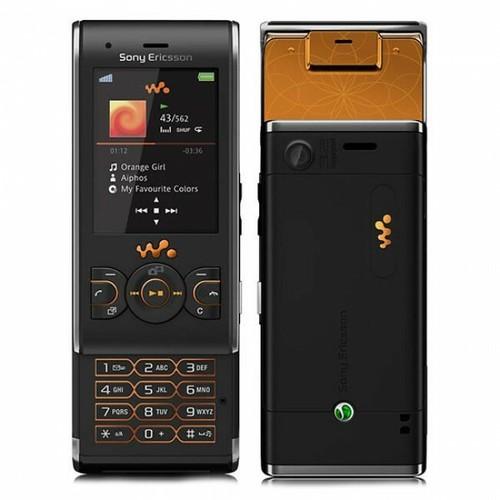
The partnership eventually dissolved as competition in the smartphone market intensified.
6. LG Electronics
For years, LG remained a major force in the mobile industry.
The company experimented boldly with smartphone designs and introduced several innovative features ahead of competitors. Devices like the LG Chocolate and later the LG G series built loyal fan bases globally.
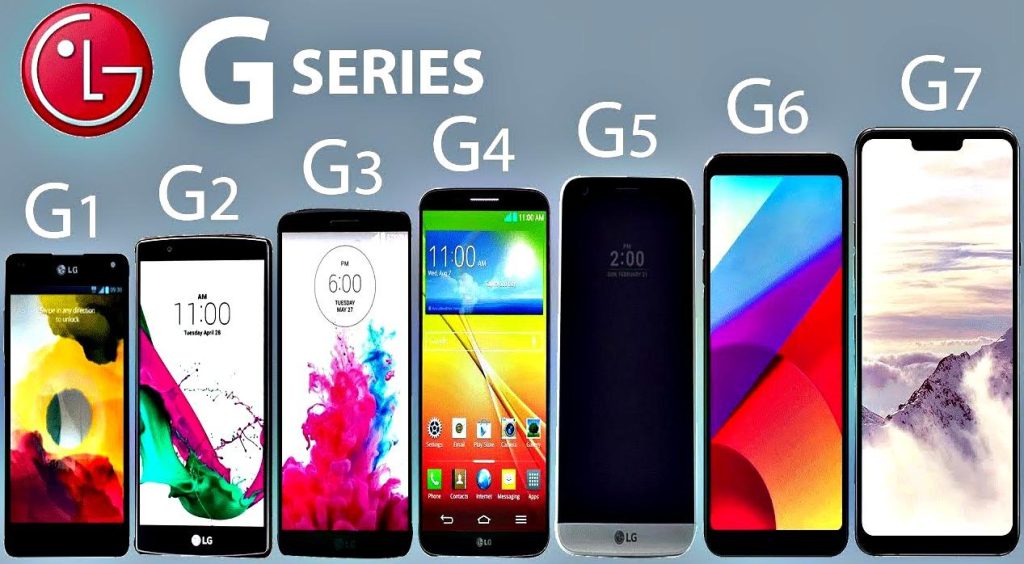
Still, mounting losses and fierce competition forced LG to exit the smartphone market entirely in 2021.
READ ALSO: Fully Funded Scholarships Ghanaians Can Still Apply for in 2026 Before Deadlines Close
7. Palm
Palm was one of the earliest pioneers of smartphone-style devices before smartphones became mainstream.
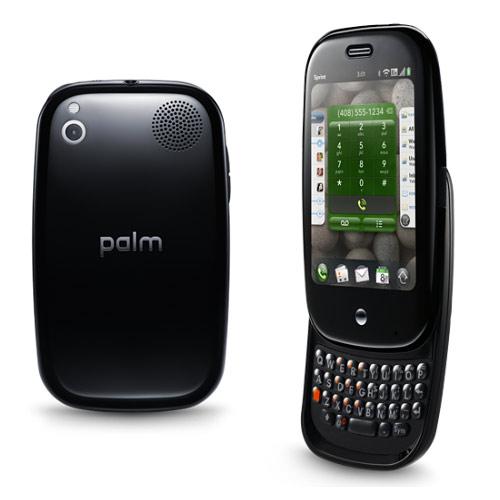
Its Palm Treo devices combined email, internet access, and productivity tools long before the app era exploded globally. However, Palm failed to survive the transition into the modern smartphone ecosystem.
8. Siemens Mobile
Siemens Mobile phones were once widely recognised across Europe and parts of Africa during the late 1990s and early 2000s.
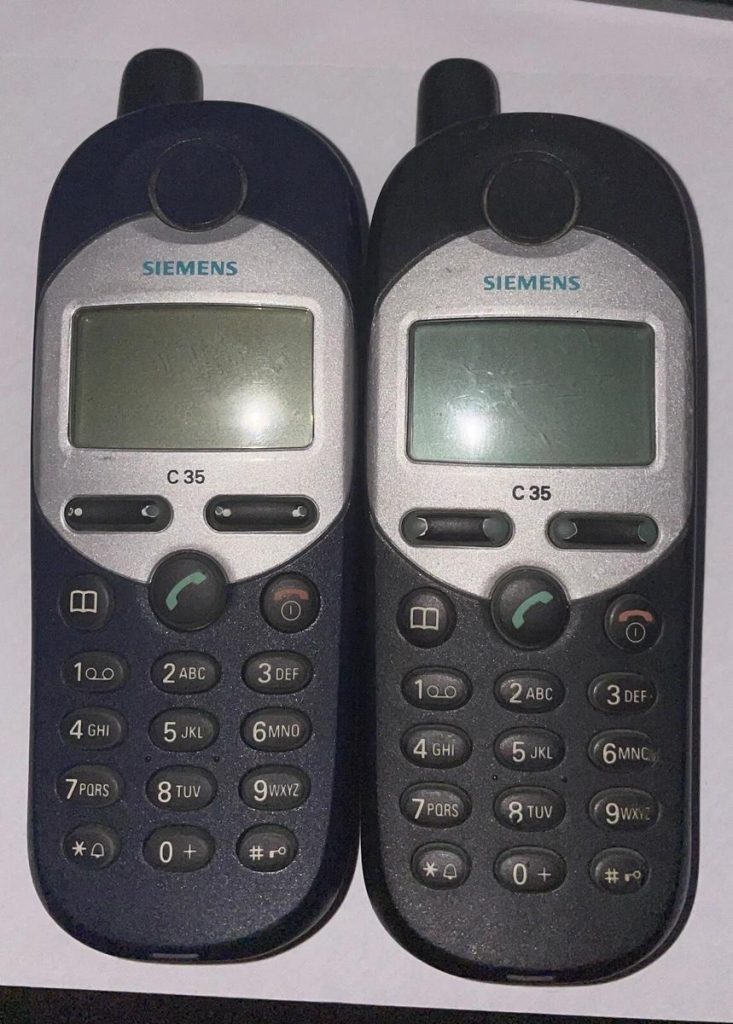
However, intense competition and declining innovation caused the company’s mobile division to collapse.
9. BenQ-Siemens
After acquiring Siemens’ struggling mobile business, BenQ attempted to revive the brand through BenQ-Siemens phones.
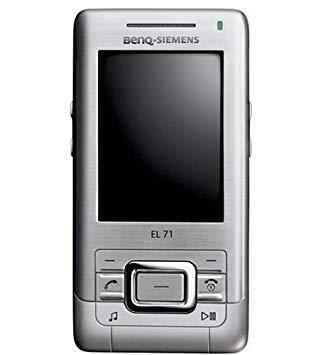
The effort failed quickly, making it one of the shortest-lived major mobile phone brands of its era.
READ ALSO: Meet Africa’s 10 Youngest Billionaires In 2026 And Their Net Worth
10. Alcatel Mobile
Alcatel phones once enjoyed strong popularity in many emerging markets because of their affordability and simplicity.
Although the brand name still appears occasionally on budget devices today, it has largely disappeared from mainstream smartphone conversations.

Why So Many Phone Brands Failed
The collapse of these brands shows how brutally fast technology evolves.
Many struggled because they failed to adapt to touchscreen smartphones, modern software ecosystems, and changing consumer behaviour. Others were overtaken by companies with stronger innovation, marketing power, and developer support.
The launch of the iPhone in 2007 transformed the mobile industry permanently. Companies that once seemed too powerful to fail suddenly found themselves unable to compete in a rapidly evolving digital world.
Today, many younger smartphone users may barely recognise some of these names. Yet before the age of TikTok, Instagram, and app stores, these brands once defined what it meant to own a mobile phone.