


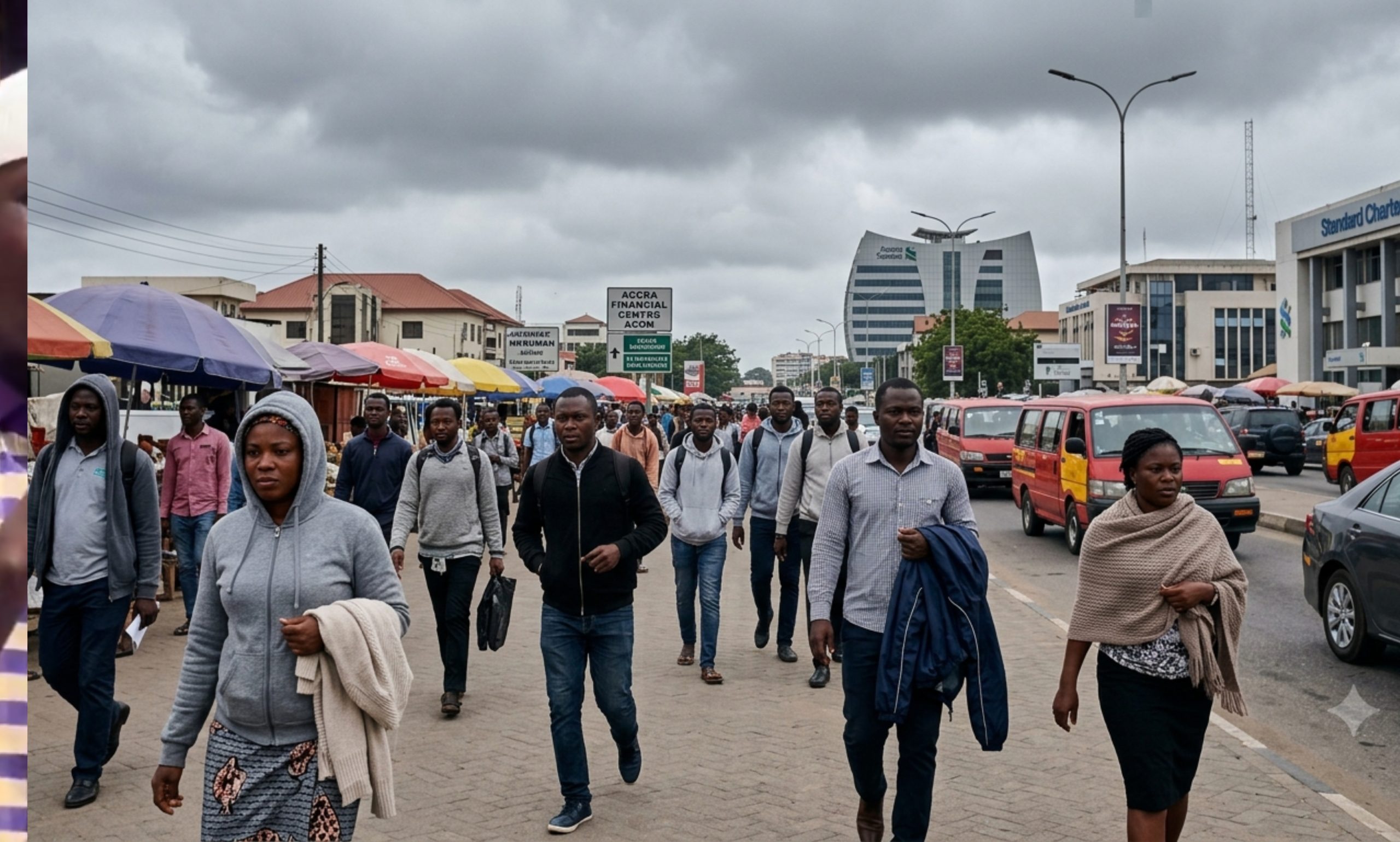
Many Ghanaians have been waking up to chilly mornings, overcast skies and cooler temperatures, prompting questions about why the weather suddenly feels different.
The Ghana Meteorological Agency (GMet) says the conditions are part of a normal seasonal weather pattern affecting much of the country. In its latest forecast, the agency said mostly cloudy conditions are expected across southern Ghana, while relatively cool nights and early mornings will continue nationwide. Mist or fog is also expected in parts of the coast, forest and mountainous areas, with light rain or drizzle possible in some communities.
While the chilly weather has left many reaching for jackets and blankets, meteorologists say there is no cause for alarm. Here’s why Ghana feels colder than usual, how long the conditions are likely to last and what you can do to stay healthy.
Category: Lifestyle
Why Ghana Feels Colder Than Usual
According to GMet, the current cool spell is the result of seasonal weather conditions rather than an unusual climate event.
Follow our WhatsApp channel for more interesting and relevant news
Speaking to JoyNews, Joshuah Asamoah, a senior meteorologist, explained that seasonal winds transport moisture from the Gulf of Guinea into southern Ghana, leading to widespread cloud formation that blocks much of the sun’s heat.
“We get some winds blowing from there into the coastal parts of the country and, by extension, into most places in southern Ghana.
“That moisture supply leads to a lot of cloud formation and prevents the sun from reaching the surface.
“As a result, we experience the cold conditions that are currently dominating.”
Three main natural processes combine to produce the cooler conditions experienced across much of Ghana during this period.
Coastal upwelling cools the air
One of the biggest drivers is coastal upwelling, a seasonal ocean process that occurs during the middle of the year.
Strong seasonal winds push warmer surface water away from Ghana’s coastline, allowing cooler, nutrient-rich water from deeper parts of the Gulf of Guinea to rise to the surface. The cooler sea surface lowers the temperature of air moving inland, particularly in coastal communities.
Thick cloud cover blocks sunshine
The cooler air combines with moisture to create widespread low cloud cover.
These clouds prevent much of the sun’s heat from reaching the ground during the day, causing temperatures to remain lower than many people expect despite Ghana’s tropical climate.
According to GMet’s latest forecast, mostly cloudy conditions are expected in several communities across southern Ghana, while mist is forecast for parts of the coast, forest and mountainous areas. Some communities within the middle belt could also experience light rain or drizzle.
Ghana’s Little Dry Season
The current weather also coincides with Ghana’s Little Dry Season, a well-known period between the major and minor rainy seasons.
During this time, cooler, denser air suppresses strong upward movement in the atmosphere. Moisture therefore remains trapped close to the ground, resulting in cloudy skies, cool breezes and higher humidity without widespread heavy rainfall.
At a glance
Why Ghana feels colder than usual
- Cooler ocean waters caused by seasonal coastal upwelling.
- Thick cloud cover reducing daytime sunshine.
- Moist winds carrying cooler air inland.
- High humidity making temperatures feel even cooler.
How the Cooler Weather Can Affect Your Health
Although the cooler weather is a normal seasonal occurrence, prolonged exposure to cold and damp conditions can affect some people more than others.
People may become more susceptible to respiratory infections such as the common cold, flu and sore throats. Cold air can also trigger asthma symptoms and sinus flare-ups among people with existing respiratory conditions.
Lower temperatures may temporarily increase blood pressure as blood vessels narrow in response to the cold. Individuals living with sickle cell disease could also experience painful crises triggered by sudden drops in temperature, while some people with arthritis may notice increased joint stiffness.
To stay healthy during the current conditions, consider:
- Wearing light jackets or sweaters during early mornings and evenings.
- Keeping children and older family members warm.
- Drinking plenty of water and eating vitamin-rich fruits and vegetables.
- Choosing warm drinks instead of very cold beverages.
- Avoiding prolonged exposure to cold winds at night.
People living with asthma should keep prescribed inhalers nearby, while those with sickle cell disease are advised to stay hydrated and avoid sudden exposure to cold temperatures.
Accra Flood Map Expands as New Communities Join High-Risk Zones
When Will Warmer Weather Return?
The current cool spell is expected to ease gradually as the seasonal weather pattern weakens.
If conditions follow their usual seasonal trend, temperatures generally begin rising towards the end of September and into October as cloud cover reduces and ocean temperatures recover.
GMet’s forecasts indicate that relatively cool nights and early mornings are likely to continue for now, particularly across southern Ghana. The agency advises the public to follow its regular weather updates as conditions change.
Although the chilly mornings may feel unusual, meteorologists say they are a natural part of Ghana’s annual climate cycle and help support important ocean processes, including the movement of nutrient-rich waters that benefit marine life.
Related reads
- Video: Elderly Woman Cries As Accra Floods Claim Two Grandchildren
- Tonnes Of Plastic Waste Wash Onto Laboma Beach After Deadly Accra Floods
- Floods and fuel: Here’s why motorists are being urged to think twice before filling up
- Mahama proposes new city as answer to Accra’s deadly floods
- What to Do in the First 3 Minutes of Cardiac Arrest in Ghana
Explore more:
News | Business | Entertainment | Lifestyle | Sports