


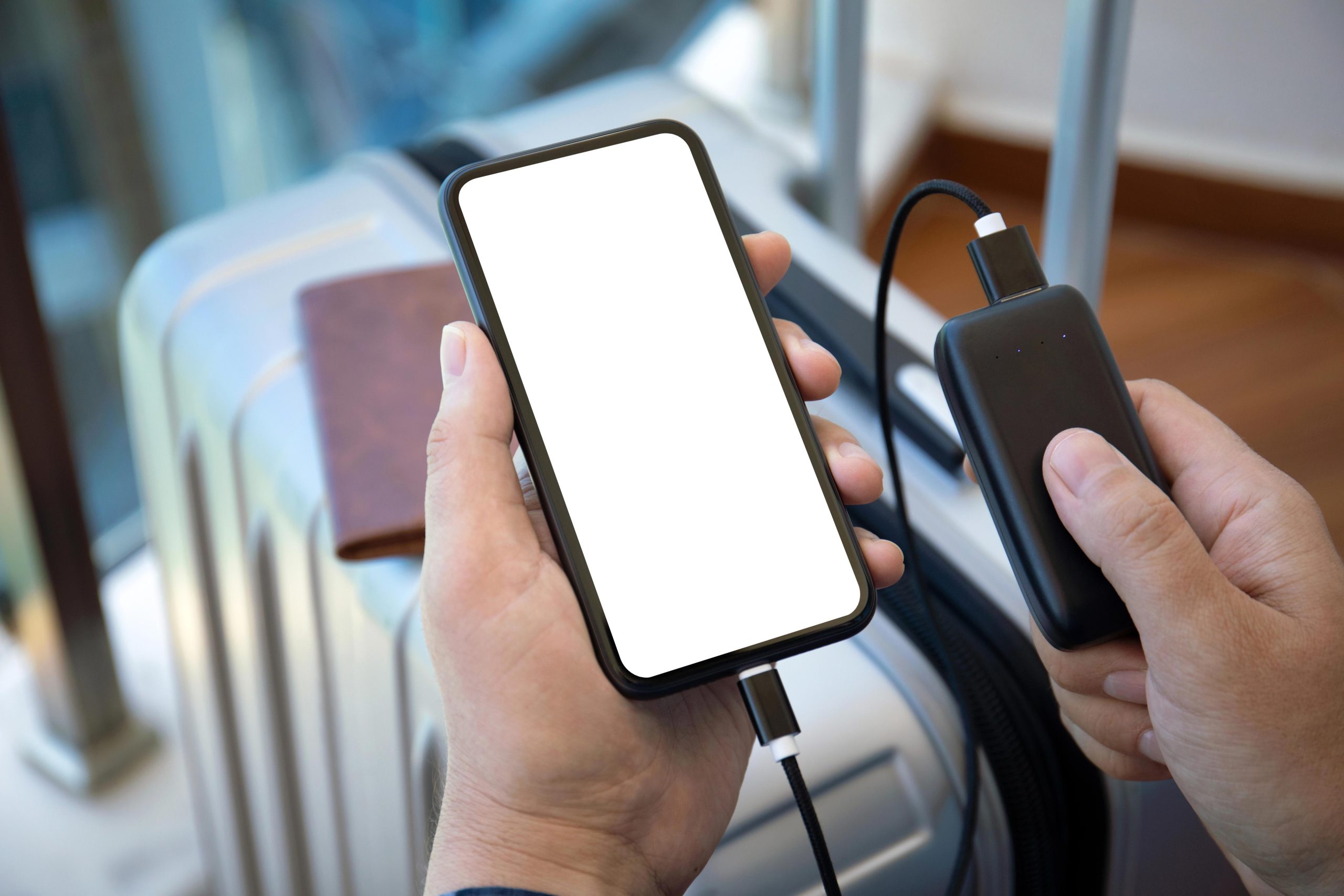
An EasyJet flight travelling from Egypt to the United Kingdom was forced to make an emergency diversion to Rome after cabin crew raised a safety concern involving a passenger’s power bank, turning a routine journey into a precautionary mid-air disruption that left passengers briefly uncertain about what was happening onboard.
The aircraft, operating flight EZY2618 from Hurghada to London Luton, was cruising at around 36,000 feet over the Adriatic Sea when it suddenly changed course and landed safely at Rome Fiumicino Airport. The diversion happened after the crew were informed that a portable charger had been placed in checked luggage stored in the aircraft’s hold.
Passengers reportedly noticed the unexpected change in direction before being informed that the crew had taken a safety-first decision in line with aviation regulations.
Although there was no fire, smoke, or technical fault, the situation was treated seriously due to the risks associated with lithium-ion batteries used in power banks.
What passengers experienced mid-flight
According to flight data, the aircraft had been flying normally when it abruptly altered its route over the Adriatic region and headed towards Italy instead of continuing towards the United Kingdom.
Passengers were later told that the decision was precautionary. The flight landed safely in Rome roughly 20 minutes after the diversion began, and travellers were later accommodated before continuing their journey the next day.
Why a power bank can trigger an emergency landing
The disruption was caused by concerns over lithium-ion batteries, which are used in most modern power banks and mobile charging devices.
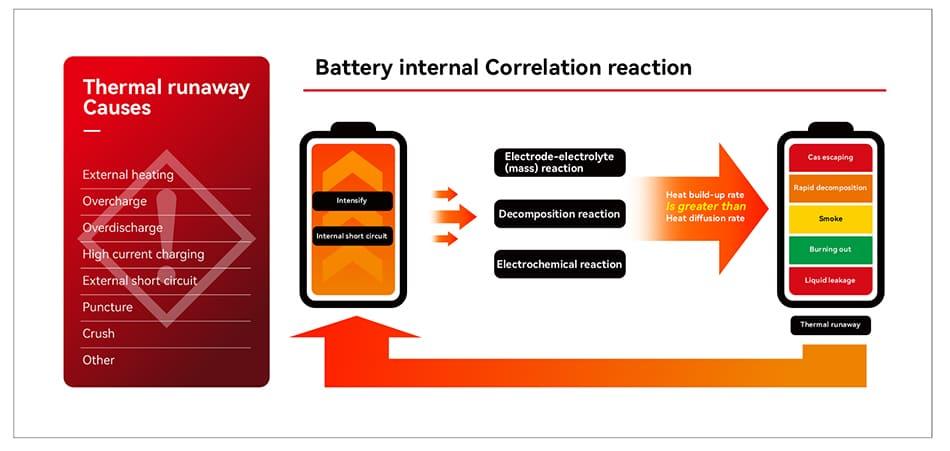
Aviation safety authorities, including the International Air Transport Association, classify these batteries as restricted items because they can overheat under certain conditions and enter a dangerous process known as thermal runaway.
Thermal runaway occurs when a battery:
- overheats rapidly
- releases smoke or toxic gases
- potentially ignites or explodes
In a confined aircraft environment, this risk becomes significantly more serious.
Why are power banks not allowed in checked luggage?
Airlines prohibit power banks in checked baggage for one simple reason: detection and response.
If a lithium battery fire starts in the cargo hold:
- it may go unnoticed for longer periods
- crew cannot access it mid-flight
- fire suppression systems have limitations against lithium battery reactions
This is why EasyJet and most global airlines require power banks to be carried in cabin luggage only, where crew can respond immediately if something goes wrong.
Why airlines are strict about using power banks onboard
Even when carried in the cabin, airlines may restrict or closely monitor the use of power banks during flights.
Risks increase when:
- devices are used while charging under blankets or inside bags
- low quality or counterfeit batteries are involved
- overheating is ignored or not detected early
Most incidents are rare, but aviation safety rules are built around prevention rather than reaction.
Why this EasyJet diversion matters
This EasyJet flight’s emergency landing highlights how seriously airlines treat even potential safety risks.
Even though no damage occurred, the decision to divert was made because lithium battery incidents can escalate quickly and unpredictably if a fault exists.
In aviation, a precautionary diversion is often considered safer than continuing a long-haul flight with any unresolved safety concern.
What passengers should remember before flying
To avoid delays or safety incidents, airlines generally advise passengers to:
- carry power banks only in hand luggage
- avoid damaged or swollen batteries
- follow watt-hour limits set by airlines
- never place lithium batteries in checked baggage
- comply with crew instructions at all times
These rules exist to prevent rare but potentially serious onboard emergencies.
A growing aviation safety concern worldwide
As more travellers rely on smartphones, laptops, and portable chargers, airlines are tightening restrictions on lithium battery devices across global aviation.
While serious incidents remain uncommon, the potential severity of battery fires means airlines continue to treat power banks as high-risk items.
The EasyJet flight from Egypt to the UK eventually landed safely in Rome, with passengers continuing their journey the following day. But the incident serves as a reminder that even small electronic devices can trigger major safety decisions at 36,000 feet.