


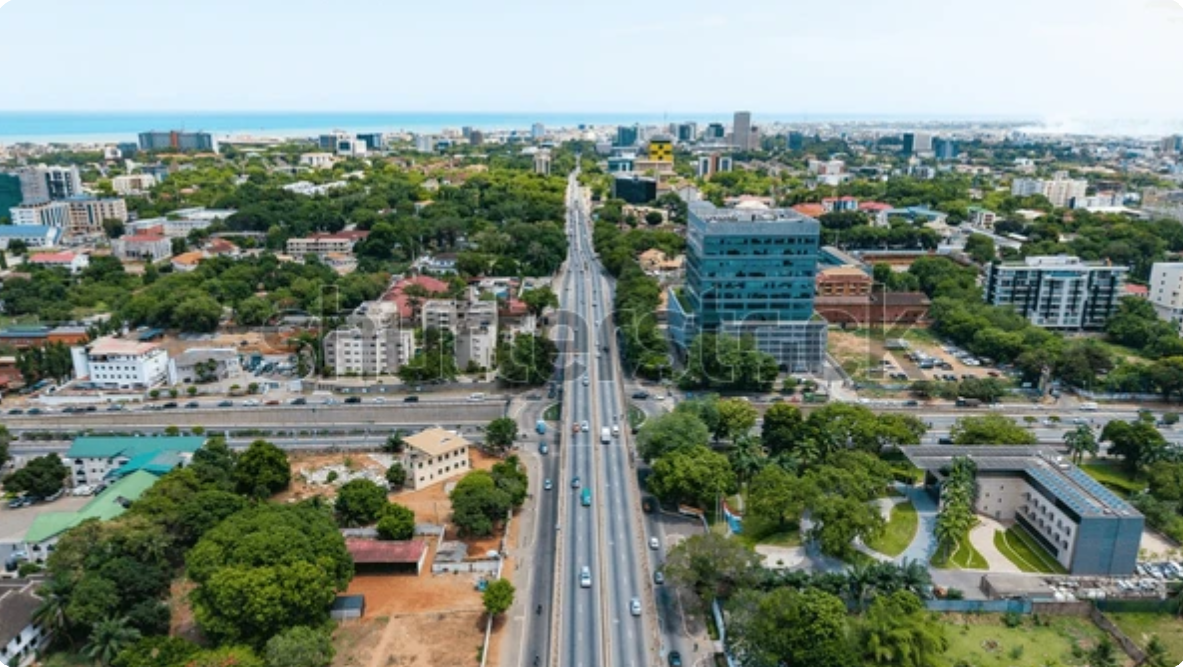
Ghana has introduced a new e-visa system aimed at making travel applications faster, easier, and more convenient for visitors planning to enter the country. The digital platform is expected to simplify the visa process for tourists, business travellers, students, and members of the Ghanaian diaspora by allowing applications to be completed online instead of through traditional embassy visits.
The move places Ghana among a growing number of African countries adopting digital immigration systems to improve tourism, investment, and international travel access.
For travellers planning a visit, here is everything to know about Ghana’s new e-visa system, how it works, and what applicants should keep in mind before travelling.
What is Ghana’s new e-visa system?
An e-visa is an electronic visa that allows travellers to complete most or all of the visa application process online.
Instead of physically visiting a Ghanaian embassy or consulate, applicants can submit forms digitally, upload supporting documents, make online payments, and receive visa approval electronically before travelling.
The system is designed to reduce paperwork, minimise processing delays, and improve convenience for international visitors.
For many travellers, this could significantly simplify the process of visiting Ghana for tourism, business, conferences, education, or family visits.
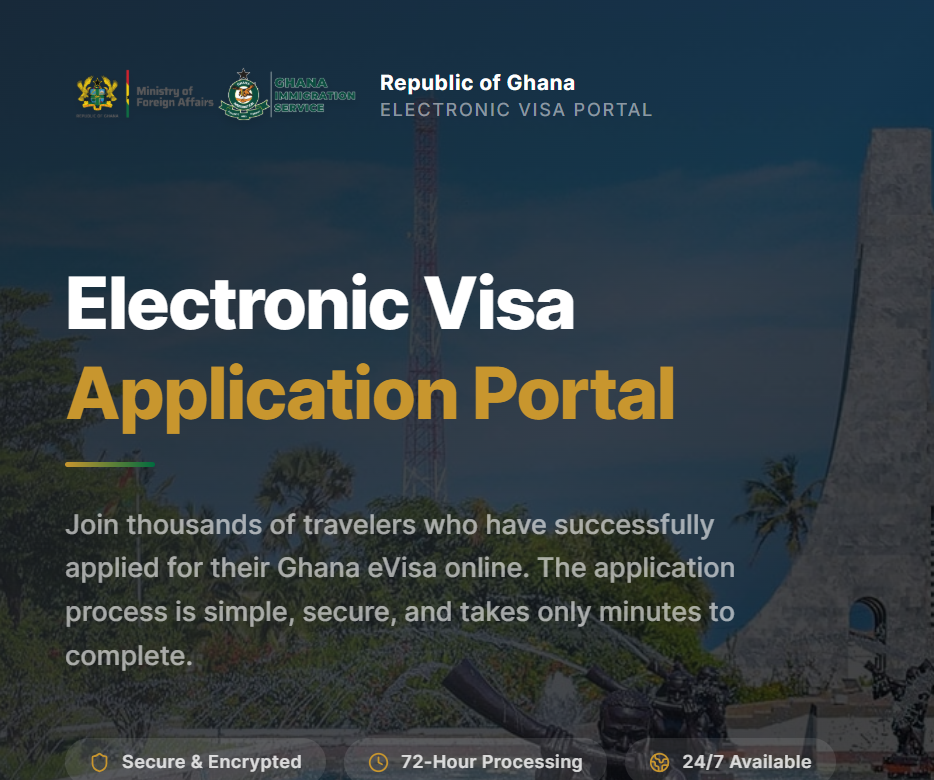
Why Ghana introduced an e-visa system
The introduction of the e-visa system forms part of Ghana’s broader digitalisation agenda and efforts to modernise public services.
The system is expected to:
- Reduce congestion at embassies and consulates
- Improve efficiency in visa processing
- Make Ghana more attractive to tourists and investors
- Support regional and international business travel
- Strengthen diaspora engagement
- Improve Ghana’s competitiveness as a travel destination in Africa
The development also aligns with wider continental trends, as several African countries continue investing in digital travel systems to boost tourism and economic activity.
Who can apply for Ghana’s e-visa?
Eligibility may depend on nationality and the purpose of travel.
Generally, the e-visa system is expected to cover categories such as:
- Tourism
- Business travel
- Family visits
- Conference attendance
- Short-term study or events
Travellers are advised to confirm eligibility requirements through official immigration channels because some nationalities may still require traditional embassy applications depending on bilateral agreements or security protocols.
How to apply for Ghana’s e-visa online
Although specific procedures may evolve over time, the application process is generally expected to follow these steps:
1. Complete the online application form
Applicants will need to provide:
- Personal details
- Passport information
- Travel dates
- Purpose of visit
- Accommodation information
2. Upload supporting documents
Travellers may be required to submit:
- A valid passport
- Passport photograph
- Flight itinerary
- Hotel booking or accommodation details
- An invitation letter, where necessary
3. Pay the visa fee online
Payments are expected to be processed electronically through approved digital payment platforms.
4. Wait for approval
Once the application has been reviewed and approved, the e-visa is typically sent electronically via email.
Travellers are encouraged to keep both printed and digital copies before departure.
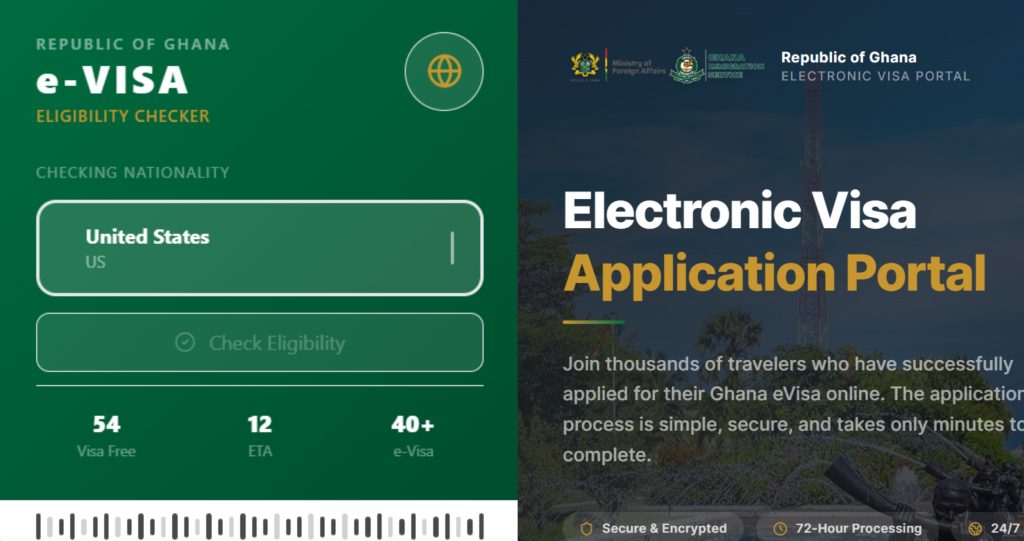
Important things travellers should know before visiting Ghana
Apply early, especially during peak travel periods
Travellers are advised not to wait until the last minute before applying.
Periods such as Detty December, Easter holidays, major conferences, and festive seasons can increase application volumes and processing times.
Your passport must remain valid
Most international travel regulations require passports to remain valid for at least six months beyond the intended stay.
Visa approval does not automatically guarantee entry
Immigration officers at the port of entry still reserve the right to verify documents and determine admissibility.
Use only official immigration platforms
Travellers should avoid unofficial websites or third-party platforms claiming guaranteed approvals.
Using official channels helps reduce the risk of fraud or fake visa services.
Keep copies of important documents
Visitors should store both printed and digital copies of:
- Passport biodata page
- E-visa approval
- Return ticket
- Accommodation details
- Travel insurance documents
Ensure uploaded documents are clear
Blurry photographs or incomplete documents may delay processing or lead to rejection.
Common concerns travellers may have
Can travellers still get visas on arrival?
Visa-on-arrival arrangements may still apply in limited situations, particularly for emergency travel or special government approvals. However, many travellers may now be encouraged to use the e-visa platform instead.
What happens if an application is rejected?
Rejected applicants may need to reapply, correct documentation issues, or contact the relevant authorities for clarification.
Can travellers extend their visa after entering Ghana?
Visa extension policies may depend on immigration regulations and the type of visa issued. Travellers are usually required to apply through the immigration authorities within Ghana.
Is the e-visa single-entry or multiple-entry?
This may vary depending on the category of visa granted and the traveller’s purpose of visit.
How Ghana compares with other African countries using e-visas
Ghana joins several African countries that have already embraced digital travel systems.
Countries such as Rwanda, Ethiopia, Kenya, and Zambia have introduced e-visas or electronic travel authorisation systems as part of efforts to simplify travel and attract visitors.
Kenya, for instance, recently transitioned from traditional visas to an Electronic Travel Authorisation system, while Rwanda is widely recognised for its visa-on-arrival policies for many African travellers.
Ghana’s approach is expected to improve convenience for tourists, international business travellers, conference participants, and members of the diaspora seeking easier access to the country.
What Ghana’s e-visa could mean for tourism and business
Industry observers believe the e-visa system could strengthen Ghana’s position as a leading travel and business destination in West Africa.
A smoother visa process may encourage:
- Higher tourist arrivals
- Increased conference and event tourism
- Greater diaspora engagement
- Easier investor access
- Improved regional business travel
The system could also support sectors such as hospitality, aviation, transport, entertainment, and local tourism.
For international travellers, easier visa access often plays a major role in destination decisions.
Ghana e-visa FAQ
How long does Ghana’s e-visa process take?
Processing times may vary depending on nationality, application volume, and document verification requirements.
Can travellers apply using mobile phones?
Most modern e-visa systems are designed to work on both computers and smartphones.
Is the visa fee refundable?
Refund policies may depend on immigration regulations and the stage of processing.
Do African travellers also need the e-visa?
Requirements may vary depending on ECOWAS agreements and bilateral travel arrangements.
Should travellers print the e-visa approval?
Yes. Travellers are strongly encouraged to keep printed and digital copies during travel.
As Ghana expands its digital infrastructure and modernises public services, the e-visa system represents a major shift in how international visitors access the country.
While travellers should continue monitoring official immigration updates for the latest requirements and eligibility rules, the system is expected to make visiting Ghana faster, simpler, and more convenient for many people around the world.