


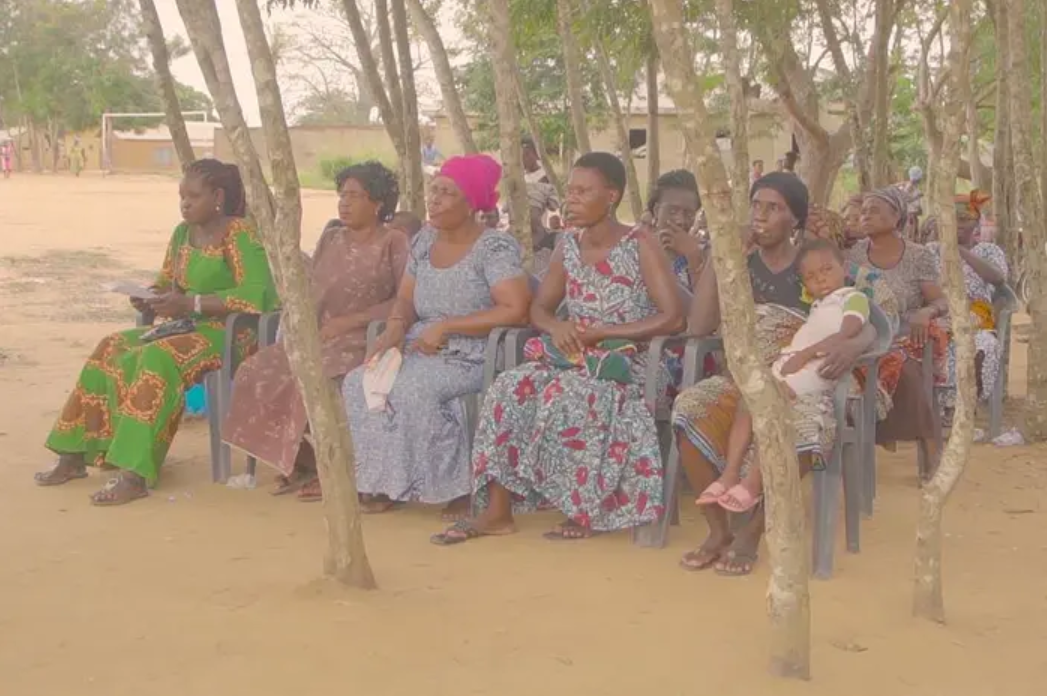
In Ghana’s Volta Region, the Dove taboos have shaped life for generations in one of the country’s most unusual communities. Located along the Accra-Aflao Highway between Ada and Sogakope, Dove is known for three strict customs that prohibit childbirth within the community, ban animal rearing and forbid the burial of the dead inside the town. These long-standing taboos continue to define daily life, even as modern healthcare and social change slowly expand across rural Ghana.
Follow our WhatsApp channel for more interesting and relevant news
While many Ghanaian communities maintain traditions and cultural restrictions, Dove’s customs stand out because they directly shape some of life’s most important moments, from birth to death. Despite increasing access to healthcare and growing calls for reform, the community remains deeply committed to preserving these beliefs.
Dove At A Glance
- Location: Central Tongu District, Volta Region
- Population: Approximately 5,000
- Main occupation: Farming
- Key taboos:
- No childbirth within the community
- No animal rearing
- No burial of the dead
Why Dove Taboos Make the Community Unique in Ghana
Dove is a farming community in the Central Tongu District of the Volta Region. Although it has an estimated population of around 5,000 people, many natives have relocated to larger towns and cities in search of employment and educational opportunities.
Visitors arriving in Dove quickly notice something unusual. Unlike many rural communities in Ghana, there are virtually no domesticated animals roaming the streets. There are no goats wandering through compounds, no sheep grazing nearby, and no poultry scratching around homes.
The absence of animals is not accidental. It is the result of one of the community’s most strictly observed taboos.
The Three Taboos That Define Life in Dove
1. Animal Rearing Is Forbidden
Residents are prohibited from rearing animals within the community.
However, the rule contains an interesting exception. People may bring animals into Dove for immediate slaughter and consumption. If an animal is to remain in the community for more than a day, it must be male.
As a result, livestock farming, a common economic activity in many Ghanaian communities, is virtually non-existent in Dove.
2. No Burials Within the Community
The second major taboo forbids the burial of the dead in Dove.
Whenever a resident dies, the body must be transported outside the community for burial. Consequently, there are no cemeteries or family burial grounds within the town.
For generations, this practice has remained a central part of how the community honours its dead.
3. Women Cannot Give Birth in Dove
Perhaps the most controversial of all the taboos is the prohibition on childbirth within the community.
Pregnant women approaching delivery are expected to leave Dove and give birth elsewhere. Traditionally, expectant mothers have travelled to nearby towns such as Battor or Sogakope when labour begins.
Even after giving birth, mothers are often not permitted to return to the community until their babies’ umbilical cords have fallen off.
For many women, this custom has meant enduring difficult journeys while in labour, sometimes over considerable distances.

The Origin of Dove’s Taboos
According to the elders of the community, the taboos date back to the founding of Dove centuries ago.
Oral history traces the settlement’s origins to a hunter named Akiti, who migrated from Notsie in present-day Togo. Community elders say that after crossing the Kebe River and settling in what is now Dove, Akiti heard a divine voice instructing him that the land could only remain peaceful if three rules were obeyed: no childbirth, no animal rearing and no burial of the dead.
The elders believe these instructions came directly from God and were intended to prevent human blood from contaminating the land.
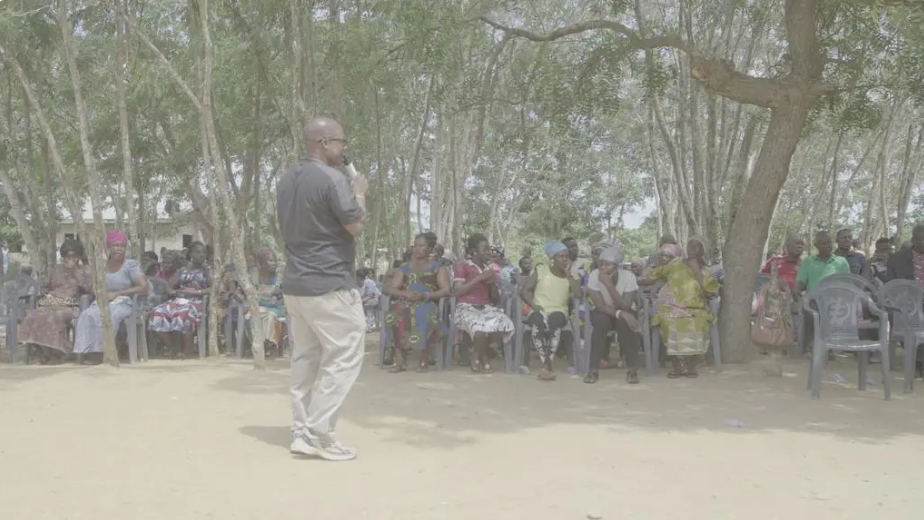
“When human blood stains the ground, it brings about evil, which is why the founder of this community was ordered to avoid childbirth, animal rearing and burial of the dead in the land,” elders Kwame Tsiditse Gbenua and Charles Gbenua explained.
According to them, strict adherence to the taboos has protected Dove from misfortune and helped maintain peace in the community.
“Wherever there is evil, there is no development. Because of these taboos, there has never been any bloodshed, criminalities and so on. You are allowed to bring animals and slaughter them in the land, women are free to menstruate, but to give birth, no way. We are very proud to be bound by those taboos.”
For many residents, these beliefs are not merely traditions but the foundation of the community’s identity and way of life.
Why Women Must Leave the Dove Community to Give Birth
Among the three restrictions, the childbirth taboo has generated the greatest concern, particularly among health professionals and women in the community.
For decades, expectant mothers often travelled significant distances to access maternity care. Before the construction of a local health facility, some relied on traditional remedies or travelled to neighbouring towns for medical attention.
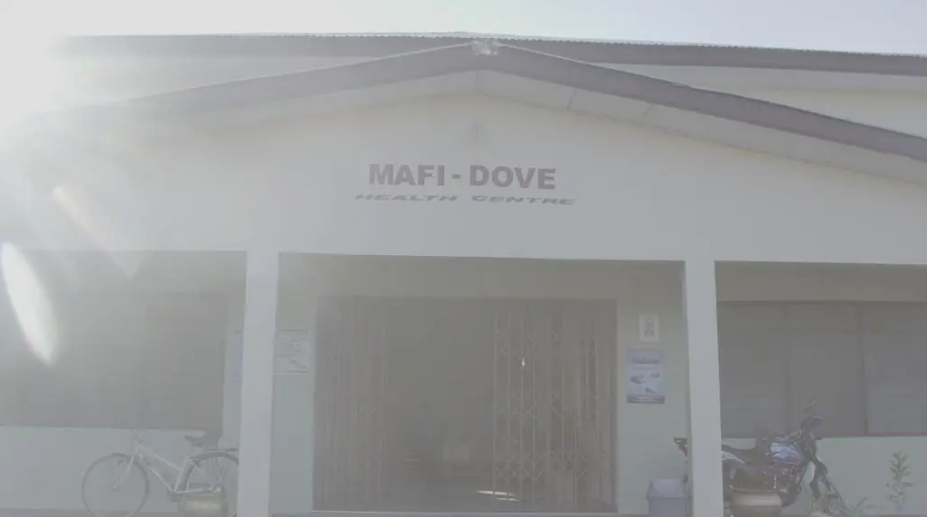
Although a health centre was eventually established on the outskirts of Dove, the childbirth restriction remains in force.
This creates a unique challenge. Women may receive antenatal care in the community, but they are still expected to leave quickly before delivery.
Health workers say the arrangement places additional strain on both families and healthcare providers. The health facility is under pressure because while it needs space to admit other patients or women in labour, it also has to hold nursing mothers until their newborns’ umbilical cords have fallen.
Many women have openly expressed their desire to see the custom reviewed or abolished, arguing that it creates unnecessary hardship and health risks. Many women interviewed in the community said they appreciate the health centre but still hope to see reforms that would allow them to give birth safely within their own community and return home immediately after childbirth.
Healthcare Challenges in Dove and Growing Calls for Change
The debate over Dove’s traditions has intensified in recent years as healthcare access and education improve.
Health workers have repeatedly appealed to community leaders to reconsider the childbirth restriction, citing its impact on maternal and child health.
The opening of a health centre on the outskirts of the community marked an important step forward. It reduced travel distances for basic healthcare and improved access to medical services.
However, some healthcare professionals believe meaningful progress will remain limited as long as women are unable to return to the community even after delivery.
The issue has become such a concern that physician assistant Emmanuel Egu went down on his knees during a community durbar to plead with elders to reconsider the custom and ease the burden on mothers and healthcare providers.
Many residents, particularly younger women, view the issue as one that deserves renewed discussion.
What Happens If Someone Breaks the Dove taboos?
Interestingly, there are no formal physical punishments for violating the childbirth taboo.
According to community elders, the belief is that a child born within the community against tradition would suffer abnormalities or misfortune.
Community elders insist that violating the childbirth taboo carries spiritual consequences, although they were unable to point to a specific case of a child whose condition had been directly linked to a breach of the custom.
If an unexpected delivery occurs within Dove, traditional leaders perform cleansing rituals to appease the gods and restore spiritual balance.
These beliefs continue to play a powerful role in shaping community behaviour and ensuring compliance with the customs.

Can Dove’s Taboos Survive the Modern Era?
Not everyone wants the customs changed.
Many elders and younger residents remain strongly attached to the traditions and view them as a vital part of their identity. Several students interviewed in the community said they would oppose any attempt to abolish the taboos, arguing that the rules have protected Dove for generations and should continue to be respected.
Meanwhile, neighbouring communities that once observed similar restrictions have abolished them and continue to function normally. Some even celebrate annual festivals marking the end of the old practices.
This contrast has fuelled ongoing conversations about whether Dove should follow a similar path or continue preserving a tradition that has defined the community for generations.
Assemblyman Moses Awukuvi-Danyevor remains cautiously optimistic that attitudes could gradually change over time. He believes the establishment of the health centre represents the first step towards a broader conversation about reforming the childbirth restrictions.
For now, Dove remains one of Ghana’s most distinctive communities, where customs dating back generations continue to influence decisions about birth, death and daily life. As healthcare, education and social attitudes evolve, the conversation about the future of these traditions is likely to continue, but for now, the taboos remain firmly woven into the identity of the community.
Editor’s note: This article is based on reporting conducted in Dove in the Central Tongu District of the Volta Region, including interviews with community elders, residents and healthcare workers.